

A Half-Day Trip to St. Marks National Wildlife Refuge
- SchwipperStudios
- May 31
- 4 min read

Updated: Jul 13
I'm incredibly lucky to live just 45 minutes from one of the most magical places I've ever been: St. Marks National Wildlife Refuge. Over 80,000 acres of untouched wilderness, a wildlife photographer's dream and, more than anything, a true wildlife sanctuary. I've only begun to scratch the surface of what this place has to offer.
My alarm went off at 5am. Early enough to make the drive down and arrive before sunrise: the golden hour when the refuge is at its most beautiful and the birds and wildlife are most active. The first time I ever visited, I caught a glimpse of a bobcat, just 30 feet away. I'm still waiting for a chance to capture a photo of one.
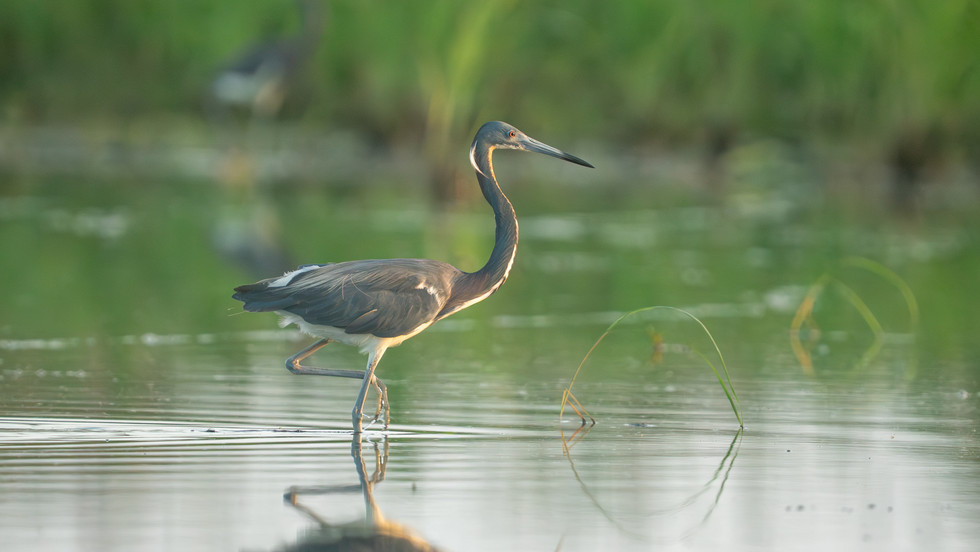
I wasn't exactly in a hiking mood as I'd hiked almost 4 miles at Sally Ward Trail in Wakulla Springs State Park the afternoon before (the photos I captured were mediocre though 🥲), so I kept things relaxed with no plans to hike a trail. I started near the Mounds Pool and, almost immediately, a gator drifted by without a care in the world, and a couple of Tricolored Herons were hunting in the water



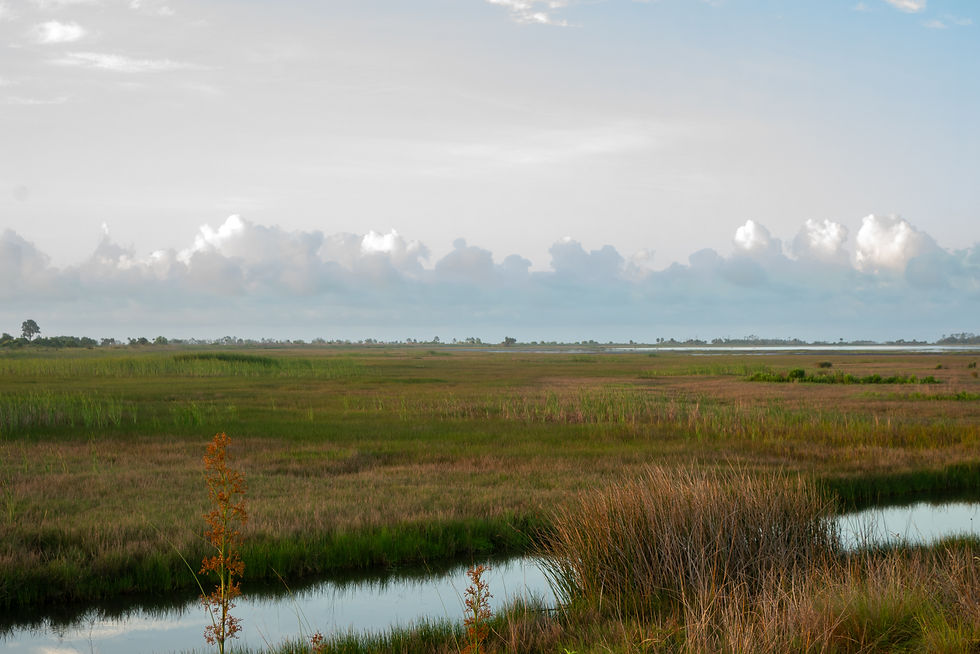
As the sun crept above the horizon, I paused to take a landscape shot, with my FE 35mm, of the marsh in the morning light. After this shot, swapping lenses felt like too much of a risk with wildlife potentially appearing at any moment, so I committed to my Sony FE 200-600mm and didn't look back.
I hopped back in the car and headed toward the lighthouse to work the tide pools. However, somewhere along Lighthouse Road, a silhouette caught my eye in the brush. I pulled over slowly, cut the engine, and crept toward the brush line. I spotted a young buck, his velvety antlers still growing in, and a couple of does just behind him.
The 600mm reach really earned its keep in that moment. I moved as slowly and quietly as I could and managed some of my favorite images of the morning: deer lit softly by the rising sun, staring head-on through the grasses.


Down at the lighthouse, a Red-winged Blackbird announced my arrival with its unmistakable call, and the tide pools were absolutely bustling! A Great Blue Heron launched itself over the water just as I raised my camera. I soon captured my favorite shot of the day: an American Alligator resting motionless, his eye reflected on the water's surface.





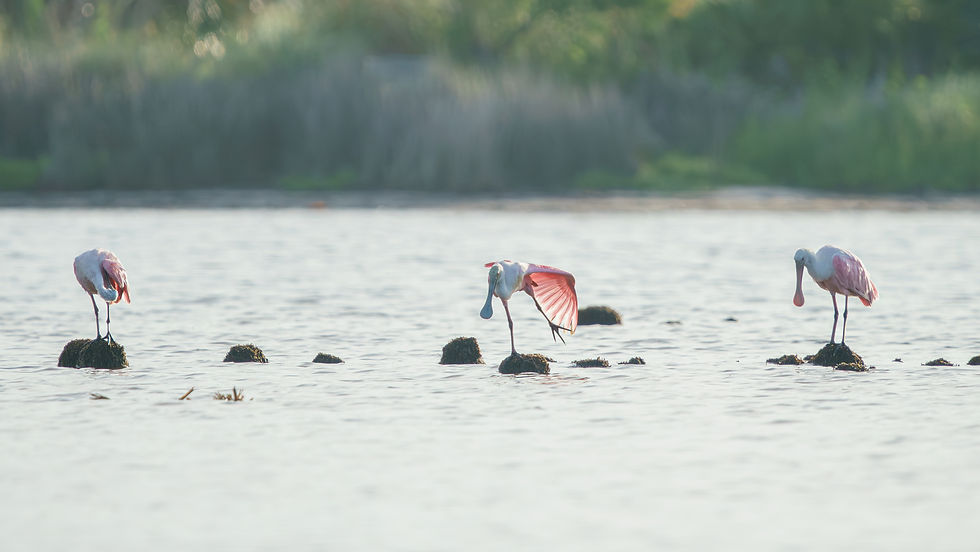
Then, a Tricolored Heron struck and came up with a fish. Breakfast, caught ✅ And, what I'd quietly been hoping for all morning, Roseate Spoonbills!


I locked onto one, feathers backlit by the sun, its pink plumage practically glowing. It's one of those shots that makes the 5am alarm feel like nothing.
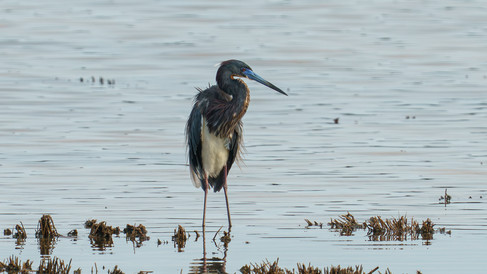
As I worked my way around the tide pools, I found a Snowy Egret perched on the rocks, the yellow of its feet was striking. A Tricolored Heron settled in closeby, its vivid blue beak and fluffy breeding plumage warmly lit by the sun.


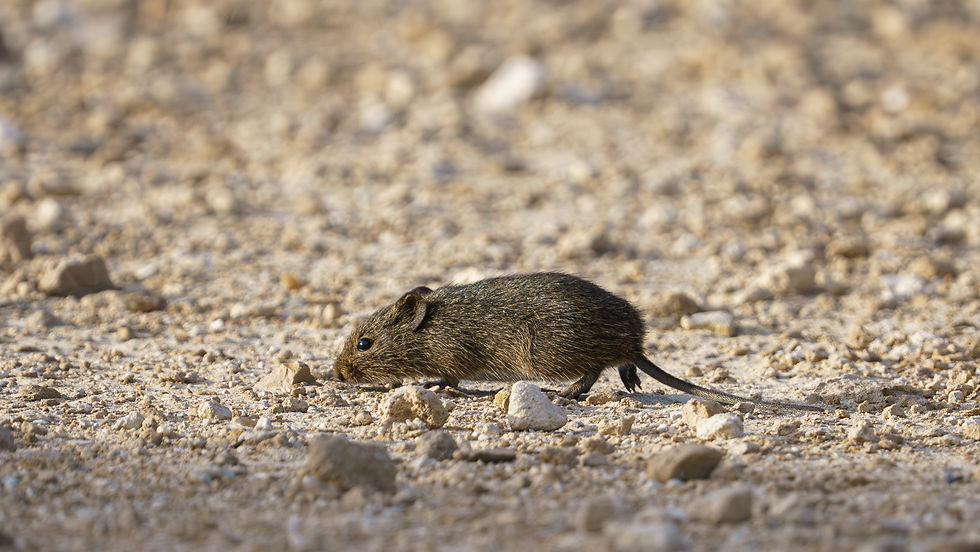
Walking back to the car, a Hispid Cotton Rat scurried across the road, tiny, round, and absolutely adorable. I was happy to snap a picture of such a small creature.
And of course, I stopped for a shot of the lighthouse before pulling away.

Two hours had passed without me noticing. It was time for me to head north and make a stop at Headquarters Pond. I quickly snapped a Blue-gray Gnatcatcher bouncing restlessly through the brush.

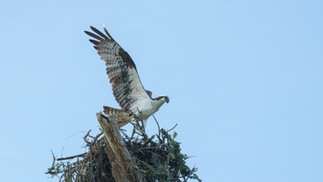
Next to the pond, I noticed a large nest at the top of a nearby tree and found myself wondering who'd built it. I was photographing a Common Gallinule when movement in my periphery made me look up.

An Osprey had landed in the nest. He settled in, then took off again, and came back with a branch. Then another. He was actively building, right in front of me. I was completely absorbed watching him work.
I started snapping away, until: SD card full. I basically sprinted back to my car, grabbed a spare (note to self: always keep one in a pocket), and jogged back to my spot. I waited about ten minutes, when I spotted him soaring, branch in talons, lining up his approach. I got the shot: wings spread, yellow eyes gleaming, sunshine lighting up his feathers. I stood there watching him arrange the branch in his nest, trying to process how lucky I'd been.



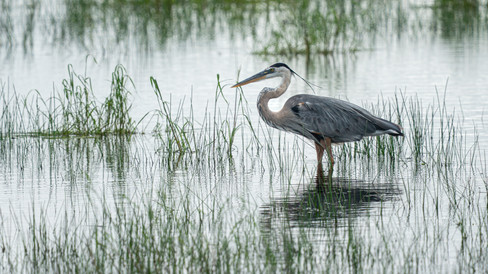
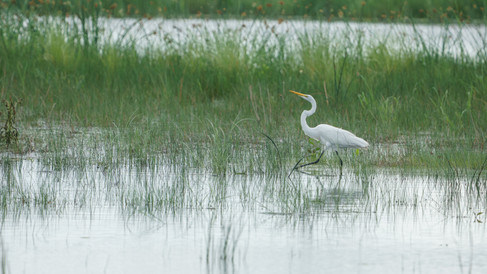
By 10am it was time to head home, as I had plans in the afternoon and a two-hour edit session calling my name. I drove Lighthouse Road slowly, camera still hanging from my hip, just in case. Just in case turned into a Great Blue Heron and a Great Egret wading through the marsh grass about 50 feet from the road. I eased the car to a stop a couple hundred feet back and made a slow approach on foot. The GBH stalked deliberately through the grasses, the egret not far behind. Two incredible birds, and me, enjoying our morning.


I was back on the road by 10:30, practically buzzing. What an incredible five-hour morning trip filled with incredible wildlife: a buck and his does, roseate spoonbills, an osprey mid-nest-build, and more birds than I can count. St. Marks NWR keeps giving. I can't wait to go back.
Tips if you're planning a visit:
Arrive at or before sunrise. Wildlife activity peaks early and the morning light is incredible.
Bring more SD cards than you think you need.
Commit to one lens. Swapping in the field may mean missing a moment.
Drive Lighthouse Road slowly. Some of my best shots came from what I saw along the drive, and you never know what might step out of the brush. Treading carefully isn't just good for photography; it's safer for the animals too.


Comments